The data is in — and it's making a compelling case for buyers who have been sitting on the sidelines.
For the better part of a decade, buying real estate in Metro Vancouver meant competing against a dozen other offers, waiving conditions, and paying over asking. That era is over. Right now, the market looks profoundly different — and for prepared buyers, that difference represents one of the most strategic windows in recent memory. The Market Has Shifted — Here's the Data.
The numbers from the Real Estate Board of Greater Vancouver tell a clear story. As of February 2026, the composite benchmark home price across Greater Vancouver sits at $1,100,300 — down 6.8% from a year ago. Active listings have climbed to 13,545, sitting well above the 10-year seasonal average. With 8 months of supply and a sales-to-active listings ratio of just 12.2%, Metro Vancouver is firmly in buyer's market territory.Sales in February came in at 1,648 — 28.7% below the 10-year seasonal average. That's significant, not because it signals a crumbling market, but because it tells us something important: demand is being held back, not eliminated. Buyers are cautious, and that caution is creating negotiating leverage for those who are ready to act."Markets do not reward hesitation. They reward timing. In peak markets, you compete against 10 buyers. Right now, you might be competing against two — sometimes none. That changes everything." What's Driving This Shift?
Several forces have converged to reshape Metro Vancouver's market over the past 18 months:
Interest rate relief. The Bank of Canada's rate-cutting cycle, which began in mid-2024, has brought borrowing costs down considerably from their 2023 peaks. Five-year fixed rates are now available in the mid-3% range, meaningfully improving what buyers can qualify for.
Elevated inventory. New listings have been elevated across most segments, giving buyers choice they simply didn't have in 2021 or 2022. Properties are sitting longer — the median days on market in Vancouver is currently 24 days, compared to single digits at the peak.
Cautious sellers. Sellers who have watched the market soften are increasingly realistic about pricing. Conditions, inspections, and negotiated price reductions are back on the table in many transactions
Macroeconomic uncertainty. US-Canada trade tensions and a federal election cycle have added hesitation to the market — but that same hesitation is creating opportunity for buyers with clear plans and solid financing.
What This Means for You
First-Time Buyers
The condo segment — historically the entry point for most first-time buyers — is seeing some of the steepest price declines, down 6.8% year-over-year. With more inventory and less competition, this is a rare window to negotiate terms, request inspections, and avoid overpaying.
Move-Up Sellers
Townhouses are the market's standout segment — the only category to post a year-over-year sales increase (+7.8% in February). If you're selling a condo to purchase a detached home, the spread between segments is working in your favour right now.
Investors
Vancouver's fundamentals — constrained land supply, strong long-term immigration demand, and limited new construction — remain intact. Purchasing during a period of softer prices positions long-term investors for meaningful appreciation when the market turns, as it historically has.
Renters Considering Buying
With rental demand softening due to reduced immigration targets, owning is becoming more competitive with renting in certain segments. Condos in the high $600,000s on the Vancouver West Side and East Side represent entry-level ownership with long-term upside.
The West Side Opportunity
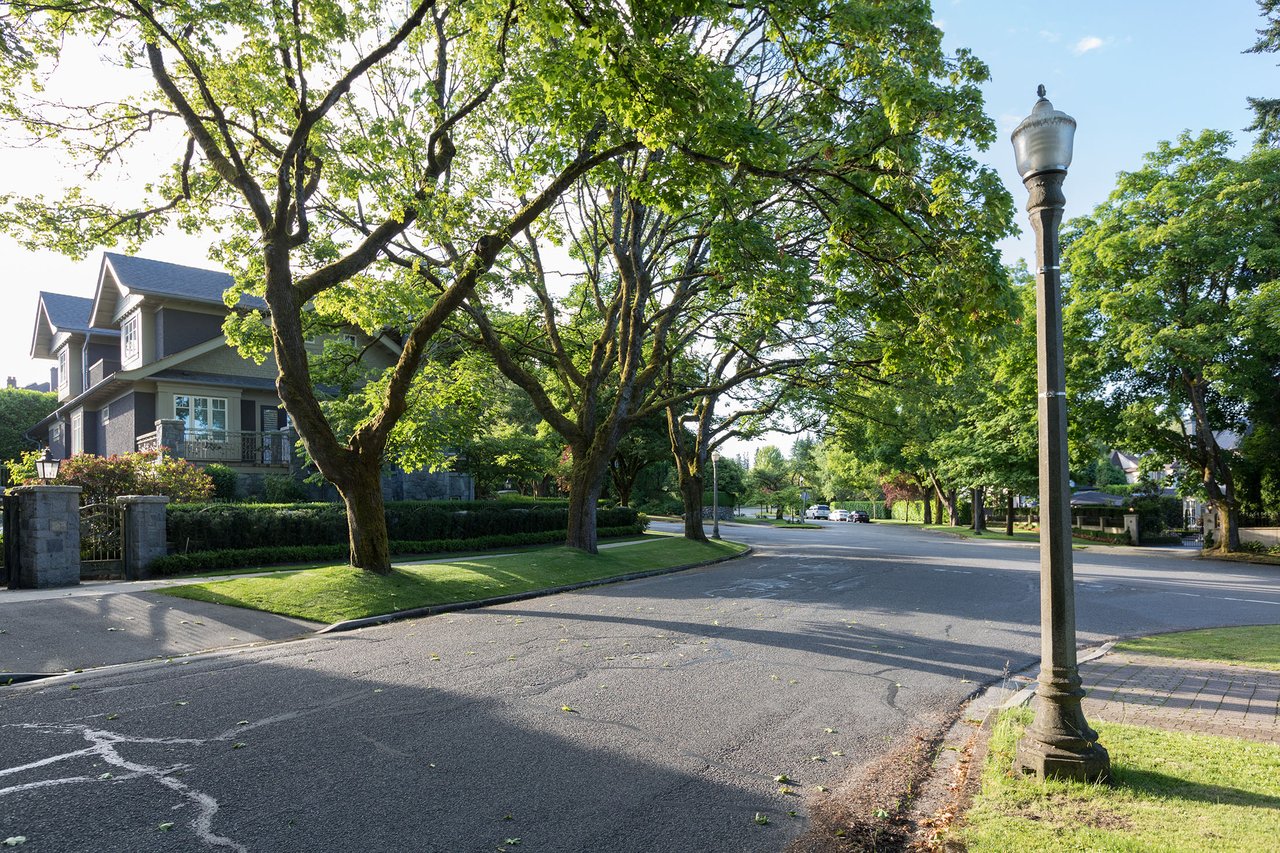
Vancouver's West Side — encompassing Kitsilano, Point Grey, Dunbar, Kerrisdale, and Cambie — continues to command premium pricing due to irreplaceable location attributes: walkability, school catchments, park access, and proximity to UBC. However, even here, the shift in market dynamics is noticeable.
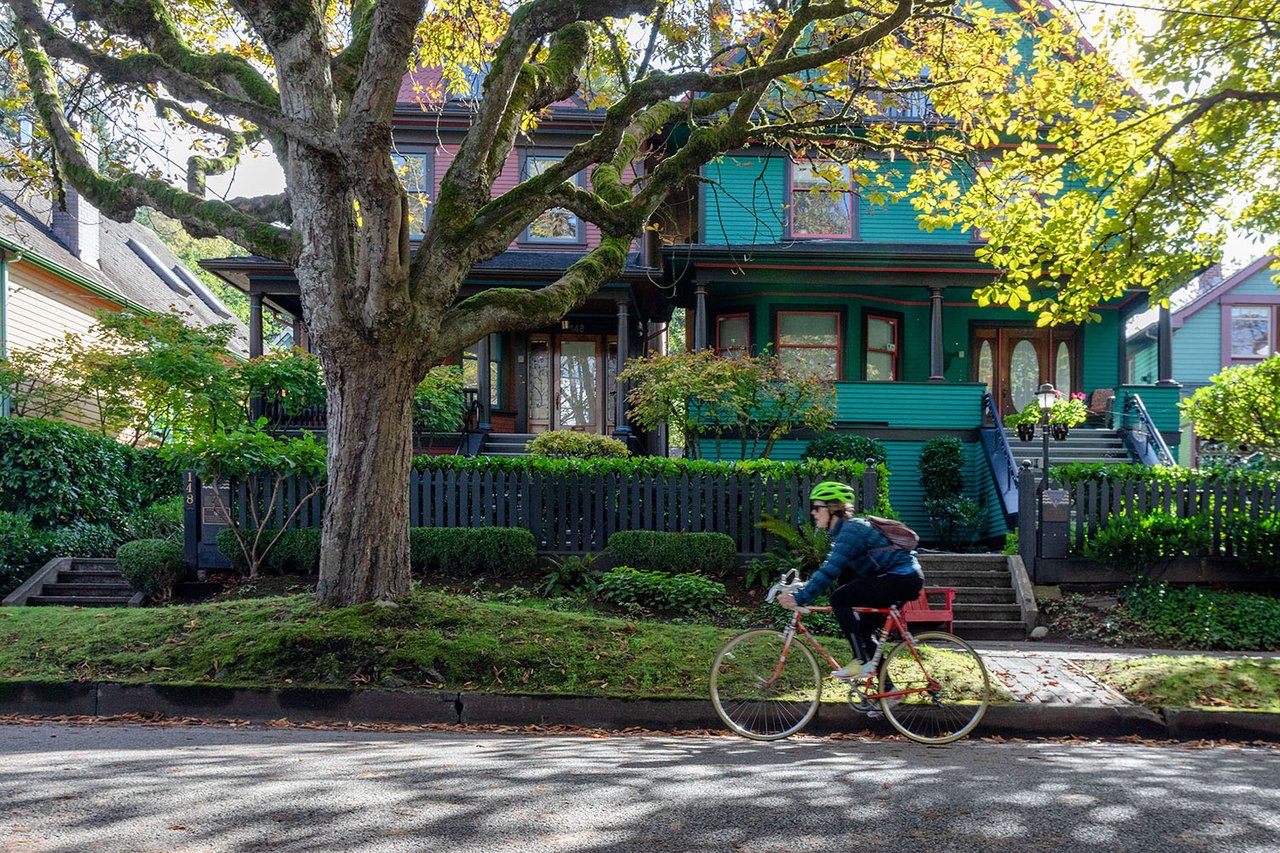
West Side character homes and condos that would have attracted multiple offers in 2021 are now sitting for 3–4 weeks, giving buyers time for proper due diligence. Heritage homes in Kitsilano — the kind of product that simply isn't being built anymore — are available at prices not seen since 2019 in some cases.
What Smart Buyers Are Doing Right Now
The buyers succeeding in this market aren't trying to call the absolute bottom — they're executing with preparation and discipline.
1. Get pre-approved before you tour. Knowing your exact budget and maximum purchase price eliminates guesswork and positions you to act quickly when the right property appears.
2. Focus on properties that have been sitting. A listing on the market for 20+ days in this environment often signals a motivated seller. That's a negotiating position, not a red flag.
3. Include proper conditions. Unlike the bidding-war era, you now have room to include a financing condition and a home inspection in most offers. Use them.
4. Think in decades, not months. Vancouver real estate has appreciated at a compound annual growth rate of 5.7% since 2005. Buyers who entered during soft periods in 2012, 2018, and 2020 were handsomely rewarded.
5. Understand your segment. The market is not uniform. A detached home in Point Grey behaves differently than a presale condo downtown. Work with an agent who knows the micro-market you're targeting.
The Bottom Line:
No one can predict the exact moment a market turns. What we can observe is that Metro Vancouver currently has the highest inventory in years, prices meaningfully below their 2022 peak, motivated sellers, improved borrowing costs, and a buyer pool thinner than it will be when confidence returns.
When buyer confidence returns — and the data suggests it's already beginning to — inventory will tighten and this window will close.
If you've been waiting for the right moment to buy in Vancouver, that moment may well be now.
Ready to make your move? Our team knows Metro Vancouver's neighbourhoods, micro-markets, and current listings in depth. Book a free buyer consultation and let's talk about your options.