Spring is the single most active selling season in Metro Vancouver — and in 2026, with inventory elevated and buyers more selective than they were two years ago, the condition and presentation of your home matters more than ever. A well-prepared listing doesn't just photograph better. It sells faster, attracts more serious buyers, and — in almost every case — achieves a stronger final price.
The good news: most of what moves the needle doesn't require a major renovation budget. It requires time, attention, and a clear plan. This is that plan.
Why Presentation Matters More in a Buyer's Market
When buyers have options — and right now in Vancouver, they do — they compare. A home that feels clean, bright, and cared for stands apart immediately. Buyers make emotional decisions first and rational ones second. Your job as a seller is to make the emotional case before they ever walk through the door.
According to the Real Estate Staging Association, staged homes consistently spend less time on the market and attract stronger offers than unstaged ones. Even modest preparation — decluttering, deep cleaning, and improving curb appeal — can meaningfully shift a buyer's perception of value and willingness to pay.
In Vancouver's West Side market specifically, where buyers are typically well-informed and comparing multiple properties, presentation is not a nice-to-have. It is a competitive requirement.
Step 1: Declutter — More Ruthlessly Than You Think
Decluttering is the single highest-impact thing you can do before listing, and most sellers don't go nearly far enough.
The goal is not a tidy home. The goal is a home that feels spacious, neutral, and full of possibility — where buyers can imagine their own life, not feel like a guest in yours.
Start with these areas first:
Closets and storage spaces. Buyers open every door. A closet that is two-thirds full reads as generous storage. A packed closet raises doubts. Remove at least half of what's currently in each closet and either donate it, sell it, or move it into a storage unit.
Countertops. Kitchen and bathroom countertops should be nearly empty. Put away the coffee maker, the toaster, the soap dispenser collection, the stack of mail. Clear surfaces make rooms feel larger and cleaner in photos.
Personal items. Family photos, children's artwork on the fridge, religious items, sports memorabilia, and highly personal décor should come down. This is not a comment on your taste — it is about helping every buyer who walks in feel like they could live there.
Furniture. Most Vancouver homes have too much furniture for listing purposes. Remove one or two pieces from every room to improve traffic flow and make spaces feel larger. Rented storage is a worthwhile investment for the weeks your home is on the market.
Step 2: Deep Clean — Every Surface, Every Corner
Once the home is decluttered, clean it more thoroughly than you ever have. Buyers notice things they wouldn't tolerate in their own homes because they are evaluating yours.
The non-negotiables:
Windows, inside and out. Clean windows are transformative. They flood rooms with natural light and signal a well-maintained home. In Vancouver's spring market, natural light is one of the most desired features buyers mention — don't let dirty glass work against you.
Kitchen in full. Degrease the range hood, clean inside the oven, wipe down every cabinet face, scrub the grout on the backsplash. Buyers spend a long time in kitchens. It needs to be spotless.
Bathrooms. Re-caulk around the tub and shower if the existing caulk is discoloured or lifting — it is inexpensive and makes an enormous visual difference. Clean the grout, polish the fixtures, replace any cracked or yellowed toilet seats.
Floors and baseboards. Hardwood floors should be cleaned and, if they show significant wear, professionally refinished. Carpets should be professionally steam cleaned. Baseboards are one of the things buyers and photographers notice that sellers rarely think about — run a damp cloth along every one.
Walls and ceilings. Look for scuff marks, crayon, or hand prints and touch them up with matching paint. Check for any water stain marks on ceilings — these are buyer red flags that should be addressed and repainted before listing.
Smell. This one is subtle but critical. Pet odours, cooking smells, and mustiness register immediately and subconsciously. Have someone who doesn't live there do a smell check. Air the home thoroughly, clean soft furnishings, and keep it fresh with light, natural scents — avoid heavy artificial air fresheners, which often signal an attempt to mask something.
Step 3: Make Small Repairs That Buyers Notice
A buyer touring your home is cataloguing every flaw — not because they are being difficult, but because they are calculating what ownership will cost them. The longer the mental list of repairs, the lower the offer.
Go through your home and address the following:
— Replace any burnt-out light bulbs, and consider upgrading to brighter bulbs throughout — light sells homes.
— Fix any dripping faucets or running toilets.
— Tighten loose door handles, cabinet hinges, and towel bars.
— Re-hang any doors that stick or don't latch cleanly.
— Patch nail holes and minor wall damage with filler and touch-up paint.
— Replace cracked or broken switch plates and outlet covers — they cost almost nothing and look neglected when left as-is.
— Ensure all windows open and close properly, and replace any broken screens.
None of these are major projects. But collectively, a home where everything works signals to a buyer that the property has been properly maintained — and that confidence translates directly to offer strength.
Step 4: Refresh and Neutralize
Once the home is clean and repaired, consider a targeted refresh. The goal is not a full renovation — it is removing anything that feels dated, divisive, or overly personal.
Paint. If your walls have bold or unusual colours, repainting in warm neutrals — soft whites, warm greiges, light sage — is one of the highest-return investments you can make before listing. A fresh coat of paint also makes a home smell new and feel well-cared-for. For West Side homes with character architecture, keep colours sympathetic to the era of the home rather than defaulting to stark white.
Lighting. Replace any outdated light fixtures in the entry, kitchen, or bathrooms with simple, modern alternatives. A $150 pendant light in the right spot can change the feel of an entire room.
Hardware. Updating cabinet hardware in the kitchen and bathrooms — handles and pulls — is an inexpensive way to modernize a space without touching a single cabinet.
Window coverings. Heavy, dated drapes should come down and be replaced with simple, light linen panels or left bare entirely if the window is attractive on its own. Light and openness are what spring buyers in Vancouver respond to.
Step 5: Curb Appeal and the Garden — Your First Impression
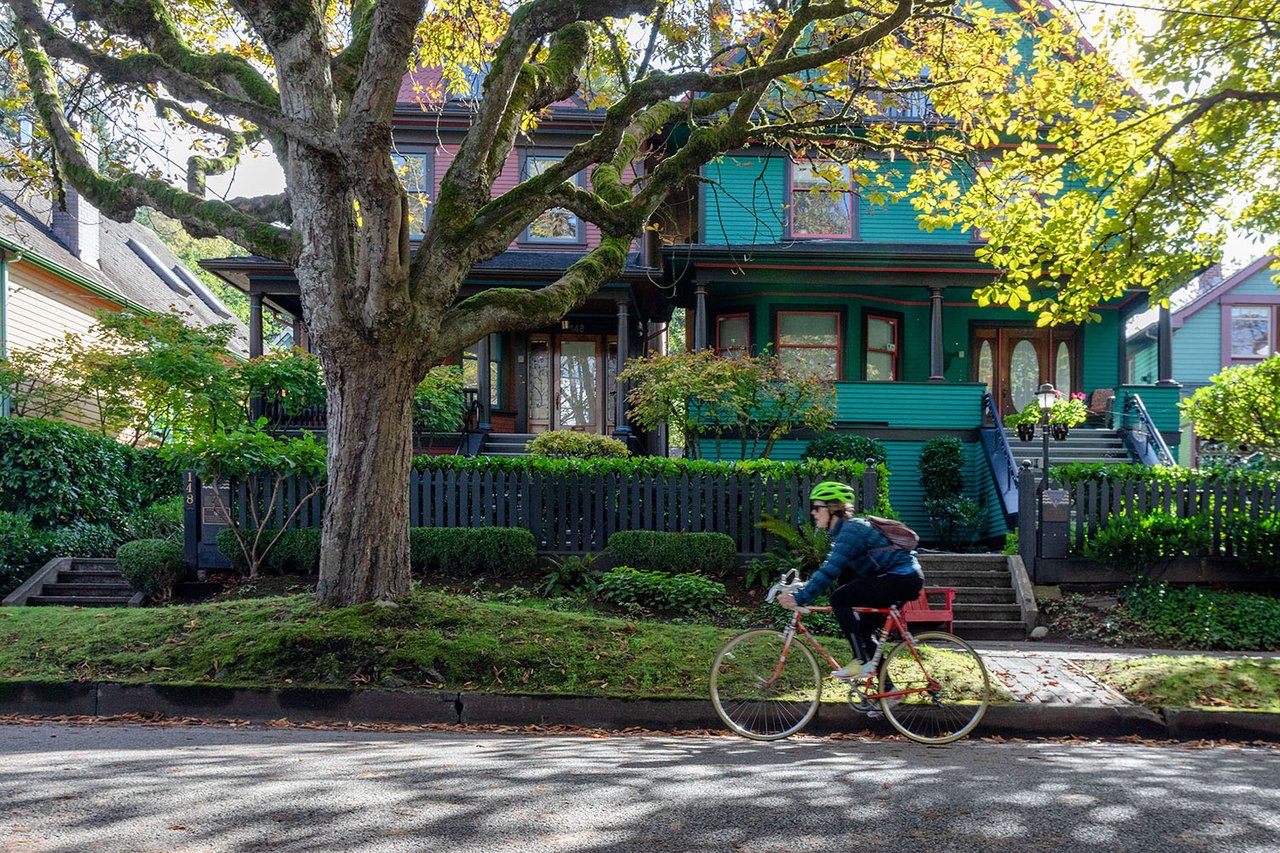
In Vancouver, buyers form their opinion of your home before they step inside. Curb appeal is not cosmetic — it is the entry point to their entire experience of the property.
Pressure wash everything. The driveway, front walkway, patio, and deck surfaces should be pressure washed. In Vancouver's wet climate, moss, algae, and grime accumulate quickly and make surfaces look aged and neglected. A pressure wash is one of the most dramatic transformations per dollar you can do.
The front door. Repaint or refinish your front door — it is the focal point of every exterior photo and every in-person arrival. A freshly painted front door in a confident colour (a deep navy, forest green, or classic black works well on West Side character homes) combined with new hardware makes an immediate impression.
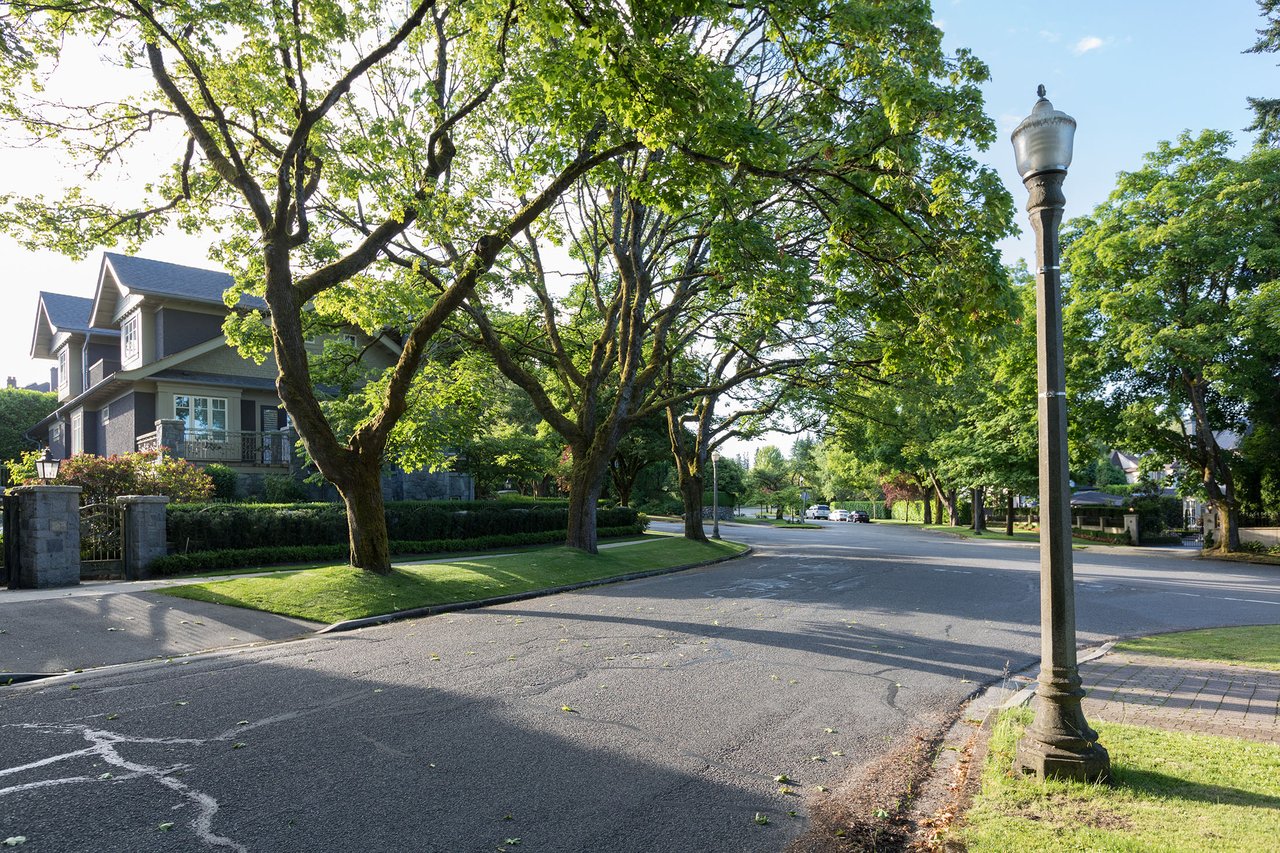
Landscaping. Spring in Vancouver is your greatest asset — use it. Mow the lawn and edge the borders neatly. Pull all visible weeds from garden beds and pathways. Trim any hedges, overgrown shrubs, or branches obscuring windows. Rake and refresh garden bed mulch.
Planting and colour. Add seasonal colour strategically — a few flats of spring annuals planted in beds or displayed in planters at the front entry cost very little and photograph beautifully. In Metro Vancouver, pansies, tulips, ranunculus, and primroses are all in season and available at any garden centre right now. For West Side homes with established gardens, a tidy, flourishing front garden in April and May is one of the most powerful selling features you have — don't underestimate it.
Outdoor living spaces. If your home has a deck, patio, or backyard, stage it. A simple outdoor dining set, a potted arrangement of plants, and clean cushions on the chairs costs very little but shows buyers how the space lives. In Vancouver's market, outdoor space is a significant value driver — especially for detached homes and townhouses on the West Side.
Gutters and exterior details. Clear gutters of debris, touch up any peeling exterior paint, and replace any cracked or damaged trim. These details are visible in photography and signal maintenance history to buyers.
Step 6: The Final Staging Pass
Once everything above is done, do a final walk-through with fresh eyes — or better yet, ask a trusted friend who hasn't been inside recently to give you honest feedback.
A few finishing touches that matter more than sellers expect:
Fresh towels and linens. Replace bathroom hand towels and kitchen towels with crisp, white or neutral ones specifically for showings. In the primary bedroom, fresh bedding in a calm, hotel-style palette reads as luxurious.
Mirrors. Strategically placed mirrors make rooms feel larger and brighter. If you have a small entry or a room that feels dark, a well-placed mirror is an easy fix.
Plants and greenery. A few well-chosen plants — a statement fiddle-leaf fig, a trailing pothos, fresh herbs on the kitchen windowsill — add life and warmth to photos and showings without cluttering.
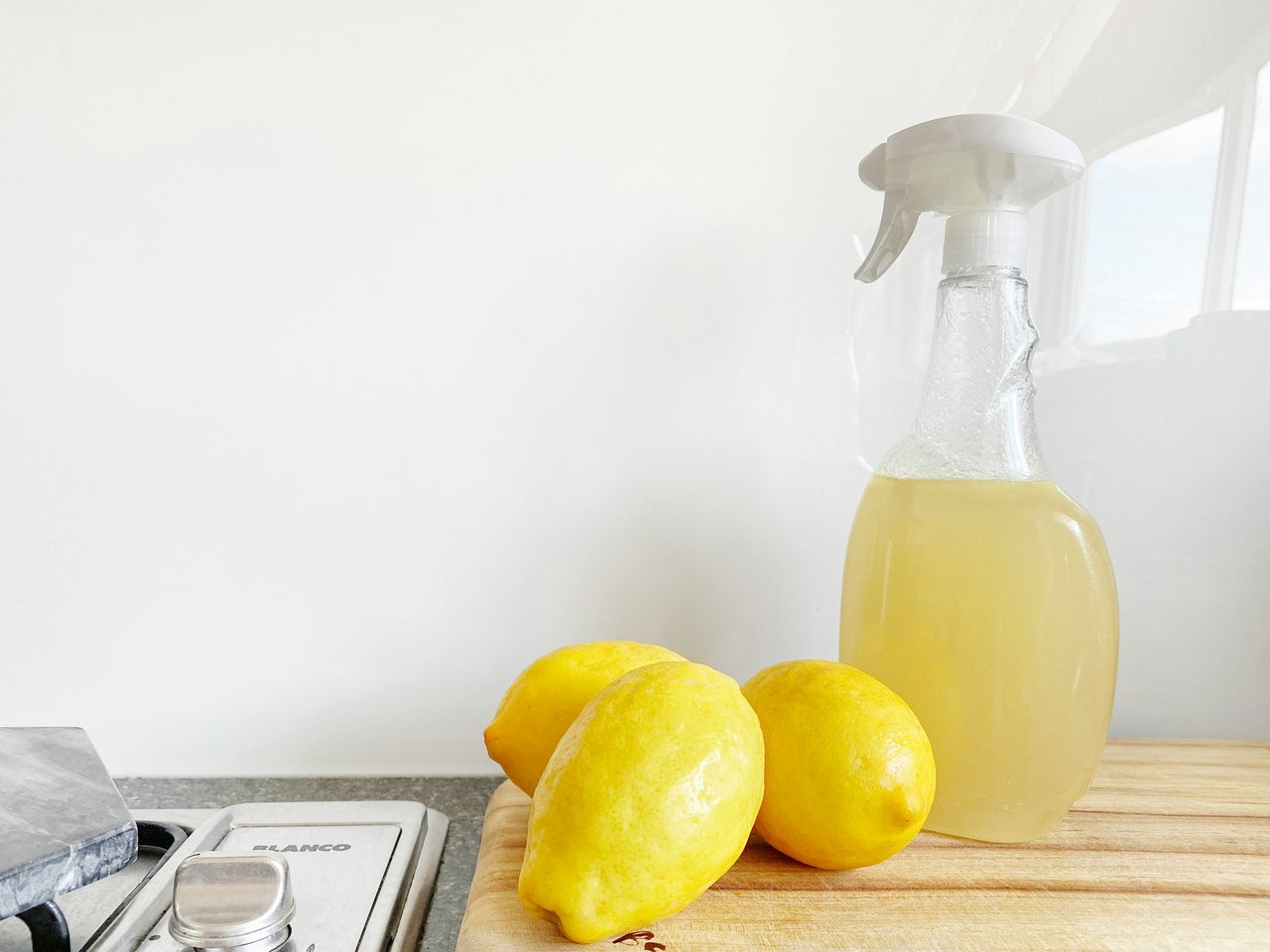
Bowls of fresh fruit. In the kitchen, a bowl of lemons or green apples adds colour and a subliminal sense of freshness. It is a small touch that appears in virtually every professionally staged home for good reason.
The day of every showing. Open all blinds and curtains fully. Turn on every light in the home. Set the temperature to a comfortable 20–21°C. Remove pets and their belongings. Leave fresh flowers somewhere visible — the entry table, the kitchen island, or the dining table.
What Does All of This Cost?
Here is a realistic budget framework for a Vancouver detached home or townhouse:
Pressure washing: $200–$400
Professional deep clean: $300–$600
Paint touch-ups or single room repaint: $500–$1,500
Minor repairs (hardware, fixtures, caulking): $200–$500
Garden and curb appeal refresh: $300–$700
Professional staging consultation: $250–$600
Storage unit rental (4–6 weeks): $150–$300/month
Total realistic range for a well-prepared listing: $2,000–$5,000
Against the backdrop of a $1.5 million West Side home, that is a 0.1–0.3% investment. If it results in even a 1% stronger offer, it has returned five to fifteen times its cost. The math is consistently compelling.
The Bottom Line
The buyers touring homes in Metro Vancouver this spring are serious, informed, and comparing multiple properties. The homes that generate the most interest — and the strongest offers — are the ones that feel move-in ready, well-maintained, and genuinely cared for.
You don't need to renovate. You need to present what you already have as well as it can possibly be presented. That is a project that is entirely within reach — and one that pays.
Thinking about listing this spring? Our team works with sellers across Metro Vancouver and the West Side to prepare, price, and market properties for the strongest possible outcome. Reach out for a complimentary home walkthrough and market assessment — we'll tell you exactly what to prioritize for your specific property.